Career Advancement
With our advanced curriculum that focuses on professional and personal growth, students are better prepared to compete and advance their careers.




Autumn
(May - Oct)
/ Semester 1
Module: CC4057
Credits: 15
This module introduces business environments, organisational structures, and information systems, focusing on their role in supporting business objectives and decision-making. Students develop foundational knowledge of software development, databases, websites, Internet technologies, and information management, alongside practical, academic, communication, and problem-solving skills. It also explores the legal, social, ethical, and professional considerations of ICT and its application within organisations.
Module: CS4001
Credits: 30
Year Long
This is an introductory programming module, designed to develop interest, ability and confidence in using a programming language. Students will gain the basic knowledge and experience to solve simple programming problems using established techniques in program design, development and documentation. It is expected that on completion of this module, students will be able to design, implement and test object-oriented programs. The student is also expected to develop their confidence needed to program solutions to problems through a series of practical programming exercises.
Module: MA4001
Credits: 30
Year Long
The module aims are to give the students an understanding of how problems can be solved systematically, plan their solutions and write them in the form of algorithms. This module also develops a range of mathematical techniques including set theory, logic, relations, functions and operational research techniques. In addition, it gives a grounding in standard software packages, to give students an understanding of their use in problem solving as well as to make students able to apply these packages appropriately in subsequent modules.
Module: CT4005
Credits: 30
Year Long
This module introduces the fundamentals of Information Technology, computer systems, and basic networking. It provides students with practical knowledge of computer components, system design, configuration, testing, troubleshooting, and preventive maintenance. Students also learn about Windows operating systems, their features, similarities, and differences, along with an introduction to assembly language and its interaction with hardware. The module covers safe equipment handling and disposal practices while developing awareness of social, ethical, environmental, commercial, and economic issues related to computer technology.

Spring
(Nov - Feb)
/ Semester 2
Module: CS4051
Credits: 15
Students will receive an introduction to the principles of information processing and an overview of the information technologies for digital data processing using computational and communication devices, including an initial understanding of the requirements for usability, quality, complexity, security and privacy of the developed solution. The students will obtain initial practical skills in modelling, design, implementation, and testing of software systems for real-world application using a suitable programming language.
Module: CS4001
Credits: 30
continuation of sem 1
This is an introductory programming module, designed to develop interest, ability and confidence in using a programming language. Students will gain the basic knowledge and experience to solve simple programming problems using established techniques in program design, development and documentation. It is expected that on completion of this module, students will be able to design, implement and test object-oriented programs. The student is also expected to develop their confidence needed to program solutions to problems through a series of practical programming exercises.
Module: MA4001
Credits: 30
continuation of sem 1
The module aims are to give the students an understanding of how problems can be solved systematically, plan their solutions and write them in the form of algorithms. This module also develops a range of mathematical techniques including set theory, logic, relations, functions and operational research techniques. In addition, it gives a grounding in standard software packages, to give students an understanding of their use in problem solving as well as to make students able to apply these packages appropriately in subsequent modules.
Module: CT4005
Credits: 30
continuation of sem 1
This module introduces the fundamentals of Information Technology, computer systems, and basic networking. It provides students with practical knowledge of computer components, system design, configuration, testing, troubleshooting, and preventive maintenance. Students also learn about Windows operating systems, their features, similarities, and differences, along with an introduction to assembly language and its interaction with hardware. The module covers safe equipment handling and disposal practices while developing awareness of social, ethical, environmental, commercial, and economic issues related to computer technology.
Autumn
(May - Oct)
/ Semester 1
Module: CS5053
Credits: 15
This module introduces students to the fundamental concepts, technologies, architecture, and applications of Internet of Things (IoT) and Cloud Computing. It covers IoT components, sensors, wireless and mobile technologies, communication protocols, cloud platforms, virtualization, privacy, and trust. Students gain practical experience in designing and implementing IoT systems using network simulation tools, integrating sensors with cloud services. By the end, students develop the skills to solve real-world problems and create interconnected solutions for smart homes, cities, and enterprises.
Module: CC5051
Credits: 15
This module introduces students to the analysis, design, and implementation of database systems. It covers data modelling, database design principles, and database programming languages, combining theoretical knowledge with practical development. Students gain hands-on experience using widely used database management systems such as Oracle to develop and implement sound database solutions. The module equips students with the skills to analyse, design, and develop efficient and reliable database systems.
Module: CT5052
Credits: 15
This module helps the students to develop the theoretical and practical knowledge of Network Operating Systems, used by the enterprise today. This is achieved by exposing the student to some of the most used network operating systems. The student will reinforce their theoretical knowledge in practical sessions where they will install configure, manage, and troubleshoot network operating systems, allowing students to gain real-world experience in network administration and system management.
Module: CS5002
Credits: 30
Year Long
This module introduces the principles and practices of software engineering, covering the software development life cycle from analysis and design to testing, deployment, and maintenance. Students learn various development methods, techniques, and tools for requirements analysis, system modelling, and software design. It also develops project planning, teamwork, communication, risk management, security, and professional skills through practical case studies.
Spring
(Nov - Feb)
/ Semester 2
Module: CS5071
Credits: 15
This module focuses on professional, social, ethical issues within the context of social responsibility and covers relevant computer laws (LSEPI) underpinning the Computing discipline. The focus of the module is empowering student to take their place in society as socially responsible professionals and allowing the exploration of self-awareness, empathy, self-efficacy and engagement in students.
Module: CS5054
Credits: 15
This module will introduce students to more complex programming problems, such as the manipulation of fundamental data structures, various important algorithms, such as sorting and searching, and provide them with practical understanding and techniques, to tackle object-oriented programming issues related to the program scale, complexity and programming productivity.
Module: CC5067
Credits: 15
This module will enable students to understand the fundamental concepts of data science and appreciate key techniques of data science and its applications in a wide range of business context. Students will be exposed to data understanding, preparation, modelling, results evaluation and data visualisation techniques that can assist businesses in making effective data-driven decisions to improve productivity and consumer satisfaction. Students will be introduced to the practical application of tools and techniques required to perform data science projects in a modern business environment.
Module: CS5002
Credits: 30
continuation of sem 1
This module introduces the principles and practices of software engineering, covering the software development life cycle from analysis and design to testing, deployment, and maintenance. Students learn various development methods, techniques, and tools for requirements analysis, system modelling, and software design. It also develops project planning, teamwork, communication, risk management, security, and professional skills through practical case studies.
Autumn
(May - Oct)
/ Semester 1
Module: CS6004
Credits: 30
Year Long
This module develops students’ skills in modern software application development by integrating programming concepts learned in earlier modules. Students gain practical experience with a contemporary development platform, programming languages, and toolsets to design and implement a significant software application. It also covers realistic project development, risk assessment, security, and industry practices. Through hands-on projects, students strengthen their problem-solving, development, and professional skills.
Module: CU6051
Credits: 15
This module introduces students to the fundamental concepts, history, development, and applications of Artificial Intelligence (AI). Students research AI-related topics and work collaboratively to design and develop a prototype intelligent system. The module also develops software engineering and prototyping skills while encouraging critical understanding of the ethical and social issues surrounding AI.
Module: CC6012
Credits: 30
Year Long
This module builds on students’ existing knowledge of database design and implementation, focusing on advanced database management concepts and technologies. It develops advanced SQL skills while introducing modern database technologies such as NoSQL and current trends in database development. Students gain practical experience in designing and developing complex, real-world web database applications using industry-standard tools and frameworks. The module also strengthens professional and transferable skills relevant to modern database application development.
Module: CS6P05
Credits: 30
Year Long
This module enables students to apply their knowledge and skills through a systematic and creative investigation as their Final Year Project. Students plan, develop, and evaluate a project that addresses a real-world or industry-related problem, encouraging innovation and practical problem-solving. The module develops research, project management, technical, reporting, communication, and professional skills while considering ethical, legal, and business aspects. Overall, it provides students with an opportunity to demonstrate their learning and prepare for professional practice through an independent and substantial project.
Spring
(Nov - Feb)
/ Semester 2
Module: CS6W50
Credits: 15
The module enables students to undertake an appropriate, short professional activity related to their course at level 6 with a business or community organisation and to gain credit for their achievements. The activity can be an employment through internal or external work-based placements, research-related activities, business start-up projects, entrepreneurship programs and more.
Module: CS6004
Credits: 30
continuation of sem 1
This module develops students’ skills in modern software application development by integrating programming concepts learned in earlier modules. Students gain practical experience with a contemporary development platform, programming languages, and toolsets to design and implement a significant software application. It also covers realistic project development, risk assessment, security, and industry practices. Through hands-on projects, students strengthen their problem-solving, development, and professional skills.
Module: CC6012
Credits: 30
continuation of sem 1
This module builds on students’ existing knowledge of database design and implementation, focusing on advanced database management concepts and technologies. It develops advanced SQL skills while introducing modern database technologies such as NoSQL and current trends in database development. Students gain practical experience in designing and developing complex, real-world web database applications using industry-standard tools and frameworks. The module also strengthens professional and transferable skills relevant to modern database application development.
Module: CS6P05
Credits: 30
continuation of sem 1
This module enables students to apply their knowledge and skills through a systematic and creative investigation as their Final Year Project. Students plan, develop, and evaluate a project that addresses a real-world or industry-related problem, encouraging innovation and practical problem-solving. The module develops research, project management, technical, reporting, communication, and professional skills while considering ethical, legal, and business aspects. Overall, it provides students with an opportunity to demonstrate their learning and prepare for professional practice through an independent and substantial project.
This course places primary focus on the techniques, theory and application along with interpersonal, teamworking and IT skills. The course applies the principles of the latest programming languages, introduces you to information systems, computer software and hardware technologies, and implementation of databases, and further develops your understanding. The practical aspects are well delivered through state-of-the-art laboratories which are created for students to enhance their competence and expertise.
* London Metropolitan University authorises and approves Islington College to deliver and assess part or all of the course. This course is also taught and assessed at London Met’s main campus in London, United Kingdom. London Metropolitan University holds direct responsibility for quality assurance, curriculum content, and the teaching, learning and assessment strategy.
NEB +2 overall aggregate of 2.2 CGPA (55%) or above with each subject (theory and practical) grade D or above, and SEE Mathematics score of C+ (55%) or above
For A-Levels, a minimum of 3 credits and at least a grade of D and above
English NEB XII Marks > 60% or 2.4 GPA
Applicants not meeting the aforementioned criteria for english can demonstrate their English proficiency with the following internationally recognised English Tests:
Pass in General Paper or English Language or IELTS 6 or PTE 57.
With our advanced curriculum that focuses on professional and personal growth, students are better prepared to compete and advance their careers.
With our expansive alumni network, international degree, and valuable experience, students can stay competitive and pursue opportunities with leading employers worldwide.
With our partnership with London Metropolitan University and our teaching methods, students stand a higher chance of securing better job opportunities.

Islington Holi is an unforgettable experience, filled with colour, music, and most importantly, camaraderie.

Setting the mood with the customary Christmas garnishing, the students and staff both engage in the moment

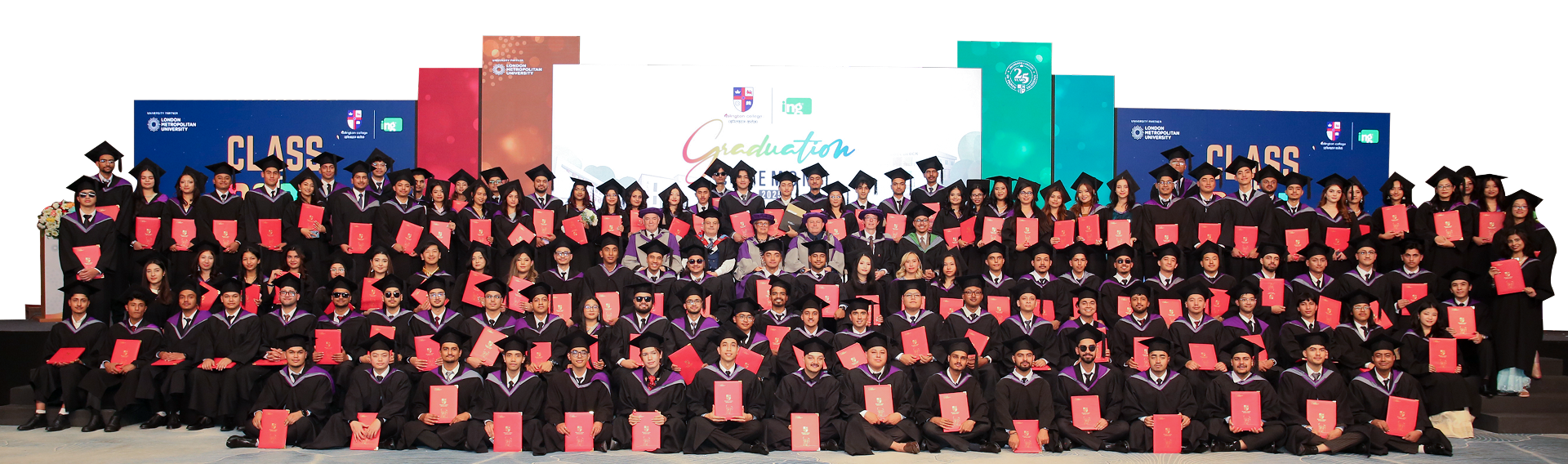
A proud celebration marking the academic journey and achievements of our graduates, as they step into the next chapter of their lives with hope and honor

Islington Hackathon is a tech marathon where bright minds team up to solve real-world problems.

Dashain Mela at Islington College celebrates Nepal’s biggest festival with traditional games, food stalls, music, and cultural performances
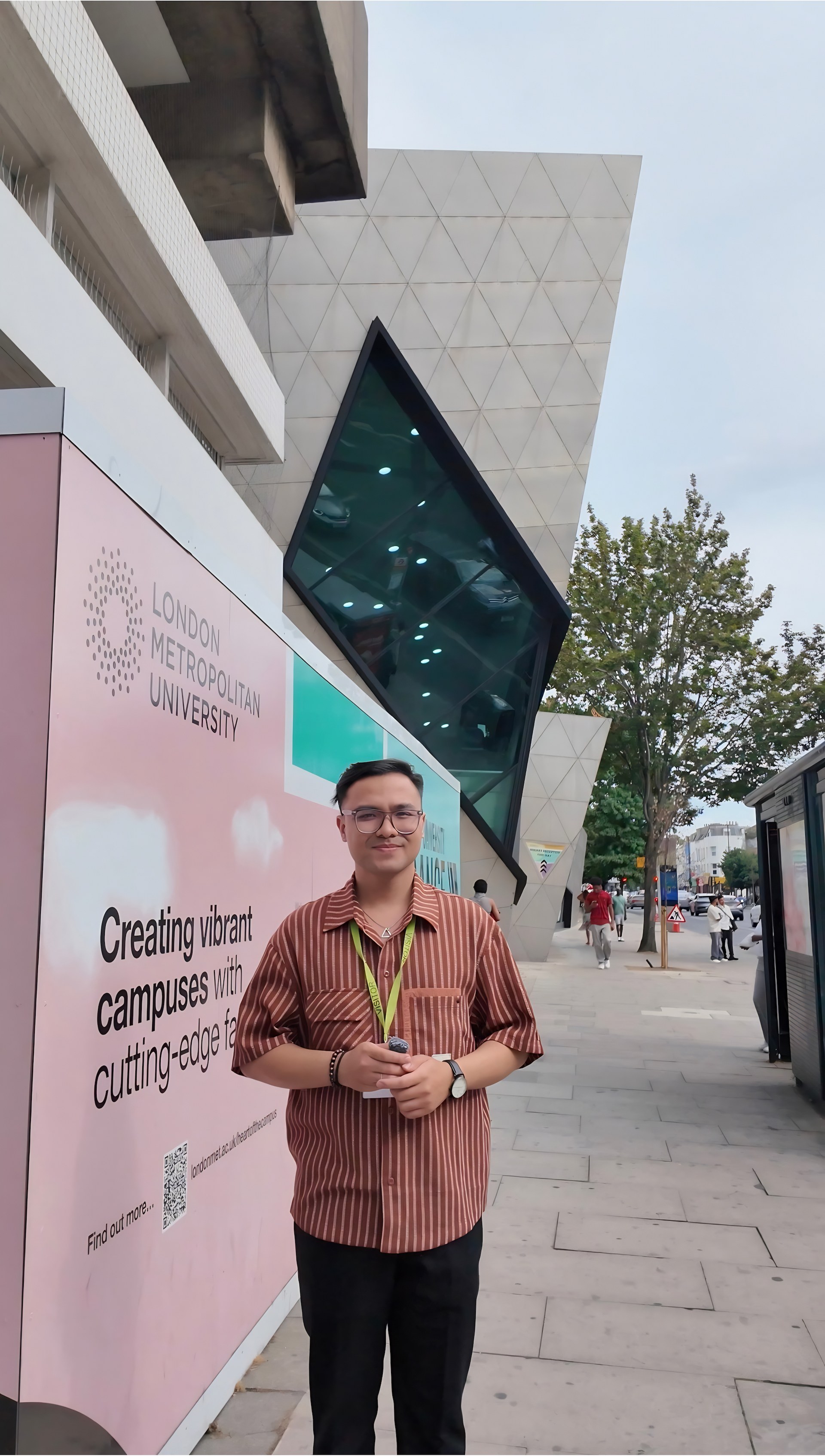

"Being selected as one of only two fully funded recipients after three interview rounds made this once-in-a-lifetime experience truly special. The workshops at London Metropolitan University delivered practical business insights, while exploring London and Torquay broadened my cultural understanding. I returned with greater confidence, broader horizons, and lasting memories. I am deeply grateful to Islington College and London Metropolitan University for this incredible opportunity. "
Prasen Man Shrestha BA(Hons) Business Administration
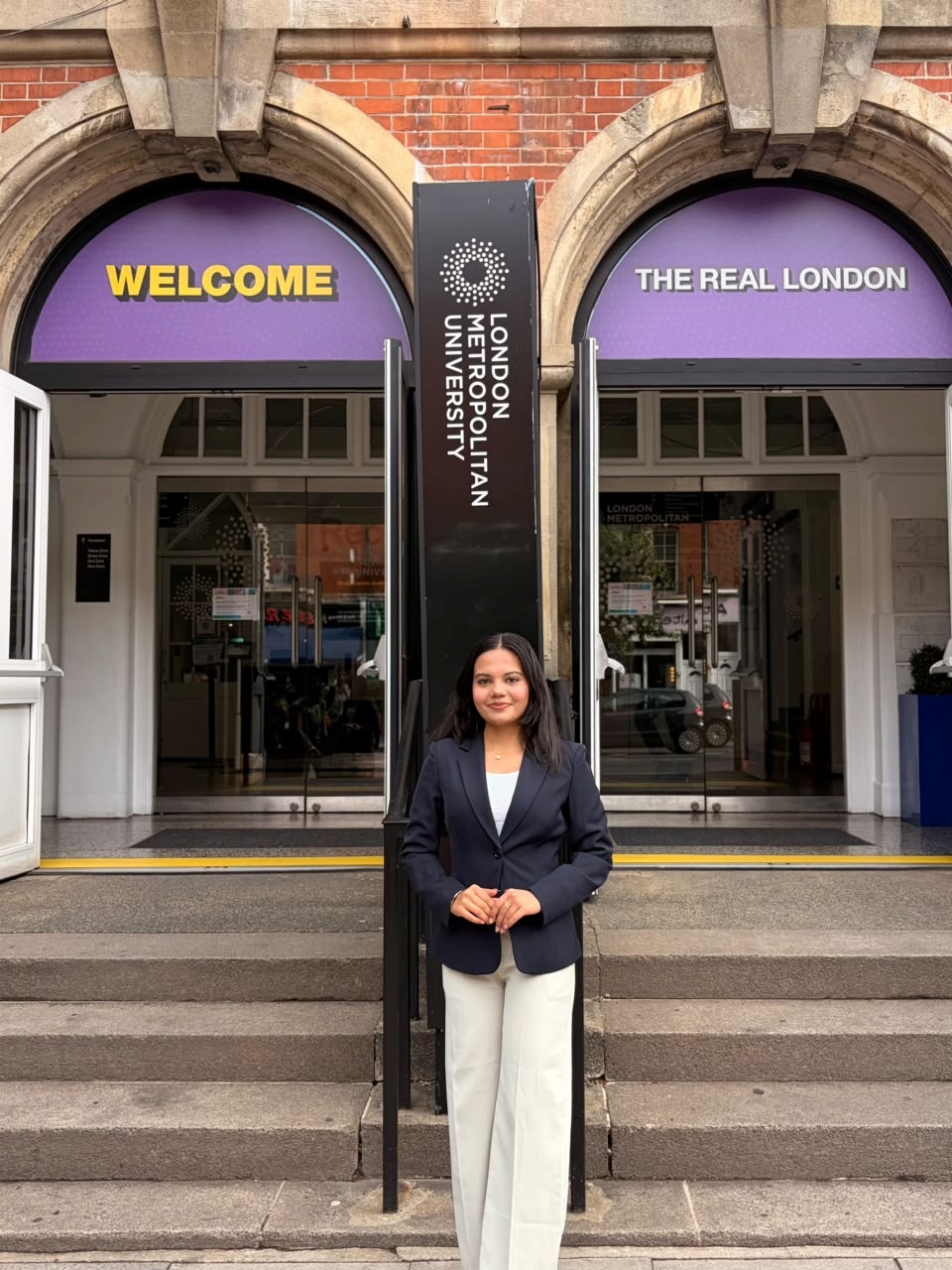
"Ten days of discoveries took our learning beyond boundaries. Exploring LMU, visiting new cities, and navigating the Underground made every moment an adventure. From the vibrant energy of London to the serene coast of Torquay, it was a transformative journey of personal growth, culture, and lifelong friendships. We returned with unforgettable memories and a little piece of London in our hearts. "
Niharika Poudel BSc (Hons) Computing

"Participating in the Real London Experience 2026 was truly unforgettable. From classes at London Metropolitan University and exploring London to Torquay’s beaches, every moment offered something new. The late-night chats, shared meals, and new friendships made it extra special. I returned home with fresh perspectives, greater confidence, and lasting memories. I am deeply grateful to Islington College and London Metropolitan University for this cherished opportunity. "
Niraj Gurung BSc (Hons) Computing

"The Real London Experience was such a great experience and I’m really glad I got to be part of it. We got to explore London, visit our home university and spend some amazing time together. One of my favourite parts was visiting Torquay, which was such a lovely experience and a nice change of scenery. It was a great mix of exploring new places, learning outside the classroom and making memories with everyone. I’m really thankful to Islington College for giving us the opportunity to experience all of this. "
Karmistha Sthapit BSc (Hons) Computing

"The Real London Experience was one of my life’s most memorable journeys. Hands-on sessions at London Metropolitan University, exploring iconic landmarks, riding the Tube, eating fish and chips, and visiting Arsenal's stadium were incredible highlights. In Torquay, the ferry ride and English Channel views were unforgettable. Above all, the laughter and shared moments made this a once-in-a-lifetime adventure. "
Nischal Paudel MBA with Specialisation in Advertisement and Marketing

"Being selected for the Real London Experience 2026 was a true honour. Experiencing international education at London Metropolitan University and seeing iconic sites like Tower Bridge and Buckingham Palace in person was deeply inspiring. London’s vibrant culture and energy exceeded all my expectations. I returned with renewed motivation and broader horizons, and I encourage every student to aim for this life-changing opportunity. "
Pranav Sharma BSc (Hons) Computing with Artificial Intelligence