Career Advancement
With our advanced curriculum that focuses on professional and personal growth, students are better prepared to compete and advance their careers.




Autumn
(May - Oct)
/ Semester 1
Module: CC7178
Credits: 20
This module aims to provide students with an appreciation of the benefits Cybersecurity Management provides within a business environment and over cyberspace. This includes the choice and application of appropriate risk assessment and risk control techniques, the understanding of security standards & procedures, coupled with the application of cybersecurity technology & security measures in a business setting.
Module: CC7169
Credits: 20
The module provides an understanding of project management in the context of software development. Students will gain an overview of a standard project management method (e.g. Prince 2); an understanding of the software development process and overview of a variety of specific system/software development methods; knowledge of a range of planning techniques; basic skills in financial evaluation; an understanding of team management issues

Spring
(Nov - Feb)
/ Semester 2
Module: CC7013
Credits: 20
This module develops an understanding of how cyber threat intelligence is collected, analysed, processed, and communicated. Students explore the threat intelligence lifecycle and its role in identifying threats and supporting proactive cybersecurity decisions.
Module: CC7015
Credits: 20
This module develops the ability to identify, assess, and manage cyber risks within organisations. Students explore risk frameworks, security controls, threat assessment, and strategies for improving organisational cyber resilience.
Autumn
(May - Oct)
/ Semester 3
Module: CC7008
Credits: 20
This module develops advanced knowledge and practical skills in ethical hacking, vulnerability assessment, penetration testing, and security compliance. Students explore attack techniques, security weaknesses, defensive countermeasures, and the application of appropriate security standards and controls.
Module: CC7016
Credits: 20
This module explores the relationship between Artificial Intelligence and cybersecurity. Students examine the use of AI for threat detection, security monitoring, automation, and intelligent defence while considering emerging security challenges associated with AI technologies.
Spring
(Nov - Feb)
/ Semester 4 & 5
Module: CT7P01
Credits: 60
This module provides students with the opportunity to undertake a substantial independent project within their chosen area of specialisation. Students apply advanced research, technical, analytical, and project management skills to investigate a significant problem, develop and evaluate an appropriate solution, and professionally communicate their findings.
The MSc IT with specialisation in Cyber Intelligence is designed to transform your cybersecurity knowledge into expertise in predictive threat detection and mitigation, preparing you to tackle evolving cyber threats. The programme emphasises the Cyber Threat Intelligence Lifecycle, providing comprehensive training in the collection, processing, analysis, and dissemination of threat intelligence, enabling you to convert raw data into actionable insights.
With a focus on leadership, it equips you to lead cyber threat intelligence teams in complex, global IT environments. Industry-centric learning includes hands-on exposure to tools like SIEM, IDS, and penetration testing platforms, engaging you in simulated cyberattacks and incident response drills to sharpen your skills.
Additionally, the programme covers global standards and regulatory compliance, including ISO 27001, NIST, HIPAA, and GDPR, ensuring you are well-versed in cybersecurity governance frameworks. Key technologies such as Splunk for SIEM, Nessus, OpenVAS, and Metasploit for penetration testing, and OSINT methodologies are integral to the curriculum, providing a robust foundation for a career in cyber intelligence.
*The full course is delivered by Islington College in direct partnership with London Metropolitan University.
A complete bachelor’s degree with a minimum of 2.2 CGPA or equivalent.
Students may complete 2 years of work experience during their studies.
Students should have completed their higher secondary and previous higher education (e.g. bachelor’s degree) where the medium of instruction and assessment is in English.
With our advanced curriculum that focuses on professional and personal growth, students are better prepared to compete and advance their careers.
With our expansive alumni network, international degree, and valuable experience, students can stay competitive and pursue opportunities with leading employers worldwide.
With our partnership with London Metropolitan University and our teaching methods, students stand a higher chance of securing better job opportunities.

Islington Holi is an unforgettable experience, filled with colour, music, and most importantly, camaraderie.

Setting the mood with the customary Christmas garnishing, the students and staff both engage in the moment

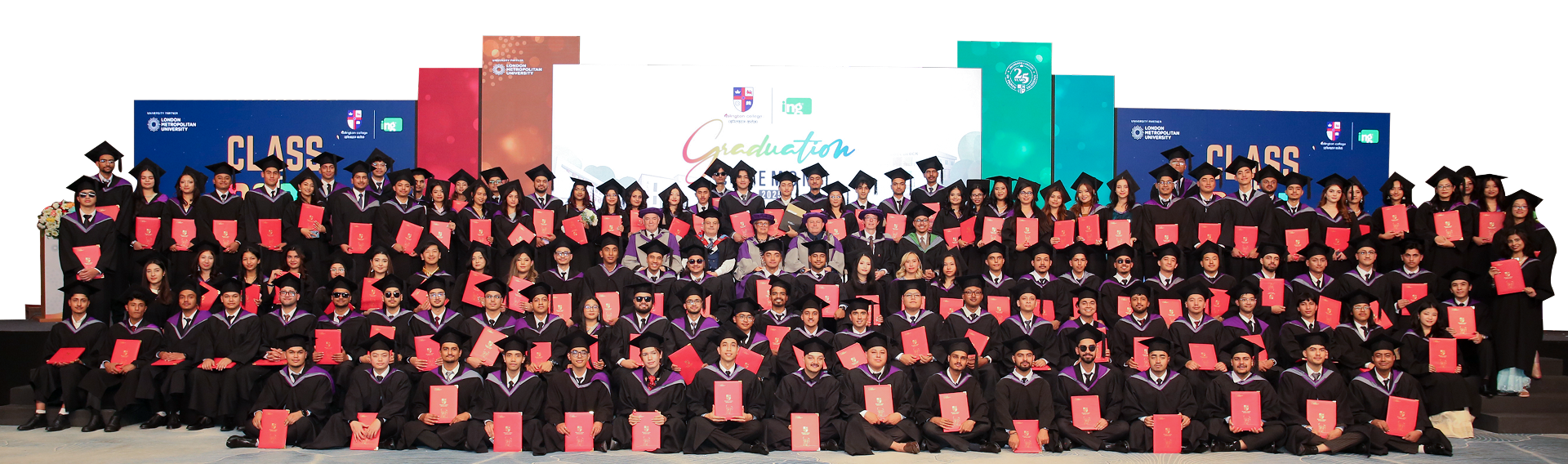
A proud celebration marking the academic journey and achievements of our graduates, as they step into the next chapter of their lives with hope and honor

Islington Hackathon is a tech marathon where bright minds team up to solve real-world problems.

Dashain Mela at Islington College celebrates Nepal’s biggest festival with traditional games, food stalls, music, and cultural performances
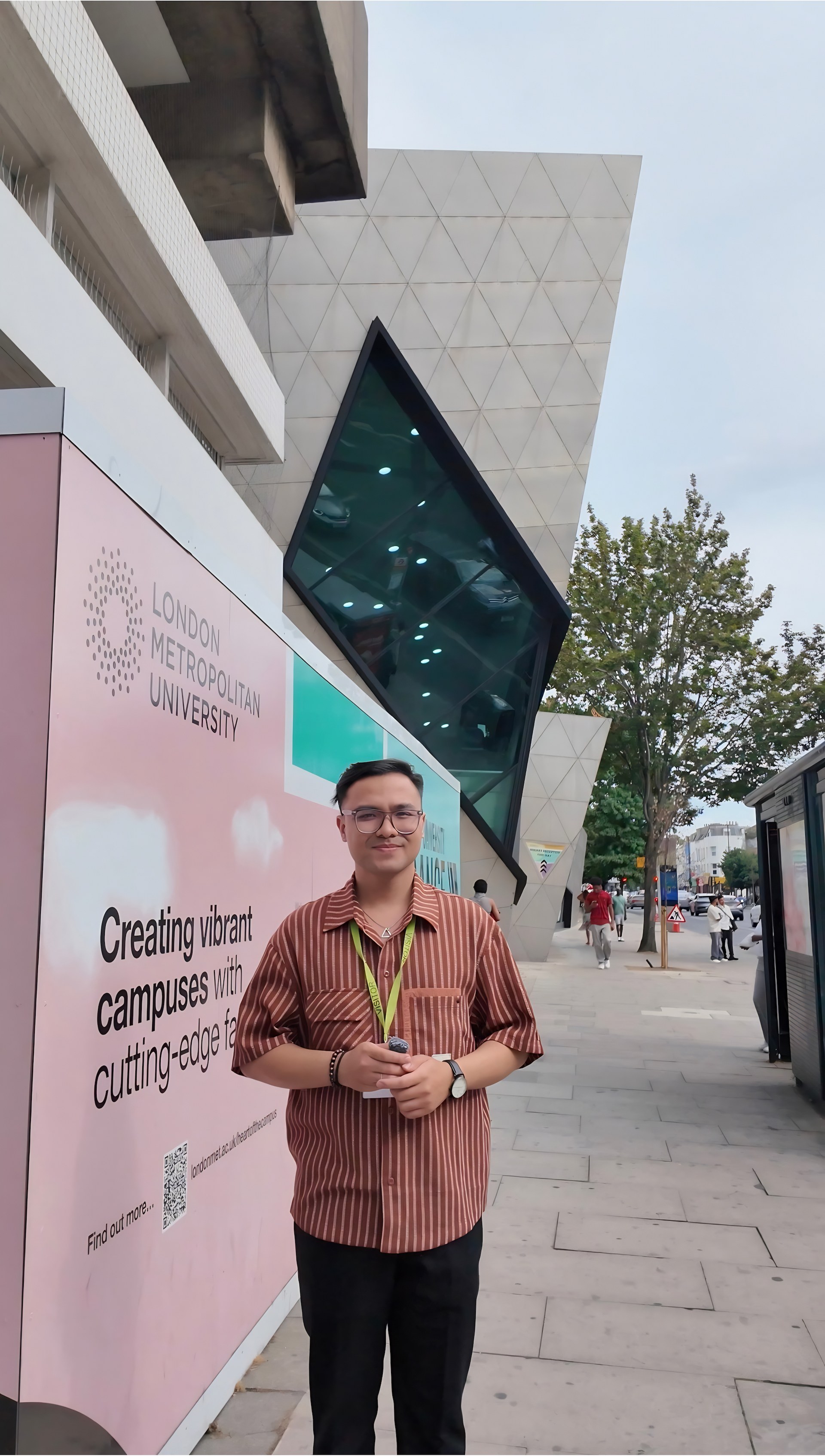

"Being selected as one of only two fully funded recipients after three interview rounds made this once-in-a-lifetime experience truly special. The workshops at London Metropolitan University delivered practical business insights, while exploring London and Torquay broadened my cultural understanding. I returned with greater confidence, broader horizons, and lasting memories. I am deeply grateful to Islington College and London Metropolitan University for this incredible opportunity. "
Prasen Man Shrestha BA(Hons) Business Administration
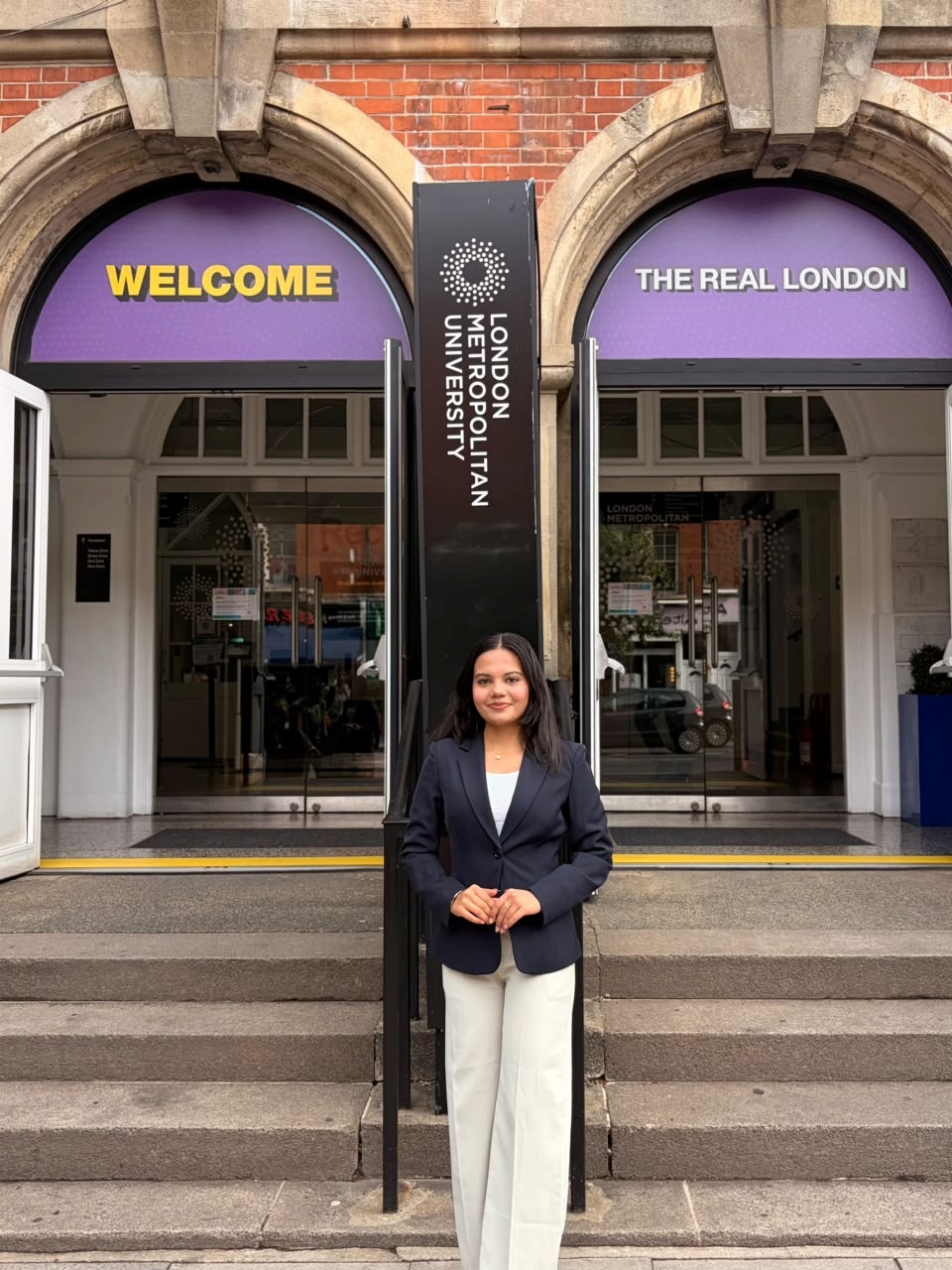
"Ten days of discoveries took our learning beyond boundaries. Exploring LMU, visiting new cities, and navigating the Underground made every moment an adventure. From the vibrant energy of London to the serene coast of Torquay, it was a transformative journey of personal growth, culture, and lifelong friendships. We returned with unforgettable memories and a little piece of London in our hearts. "
Niharika Poudel BSc (Hons) Computing
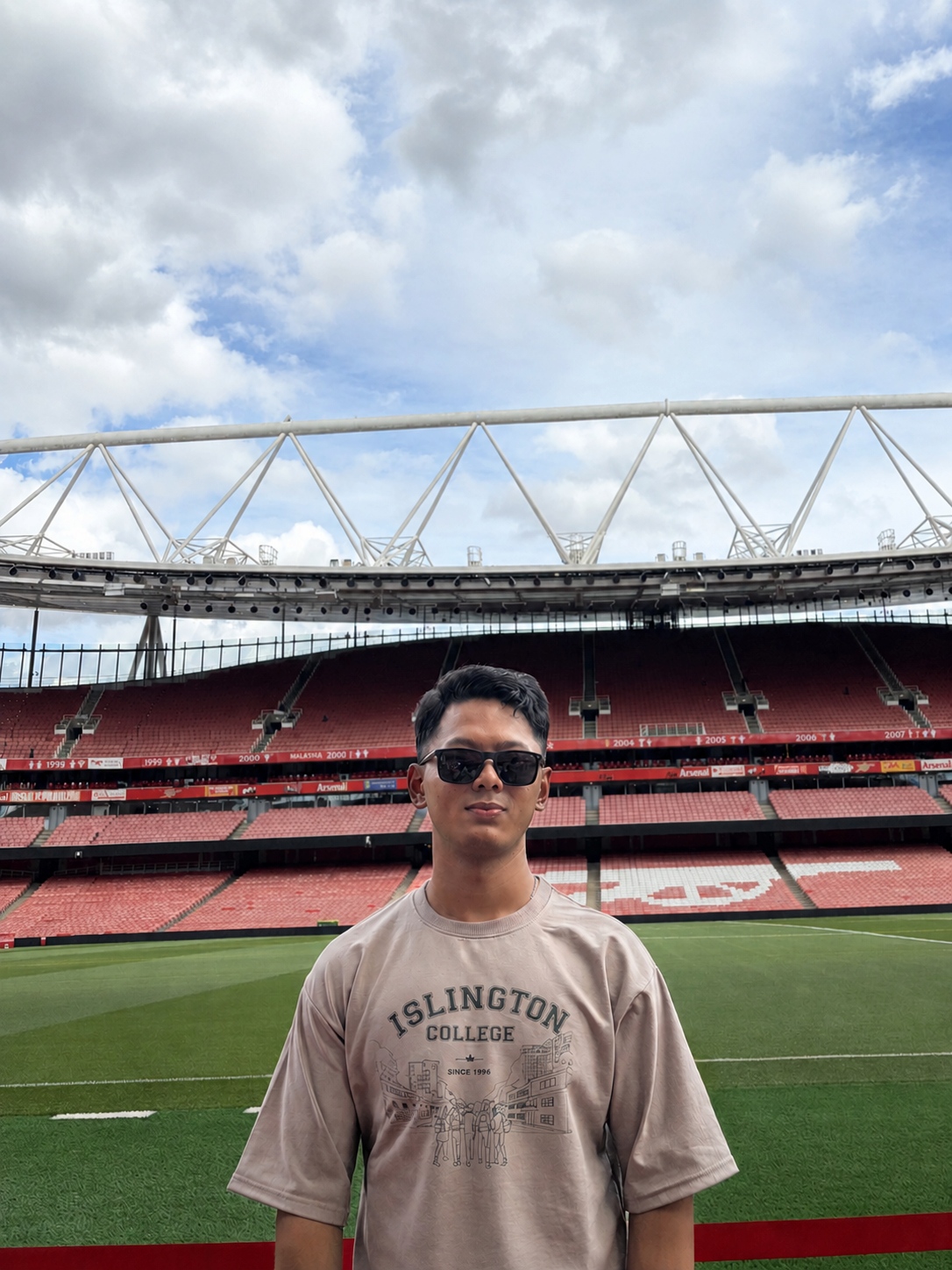
"Participating in the Real London Experience 2026 was truly unforgettable. From classes at London Metropolitan University and exploring London to Torquay’s beaches, every moment offered something new. The late-night chats, shared meals, and new friendships made it extra special. I returned home with fresh perspectives, greater confidence, and lasting memories. I am deeply grateful to Islington College and London Metropolitan University for this cherished opportunity. "
Niraj Gurung BSc (Hons) Computing

"The Real London Experience was such a great experience and I’m really glad I got to be part of it. We got to explore London, visit our home university and spend some amazing time together. One of my favourite parts was visiting Torquay, which was such a lovely experience and a nice change of scenery. It was a great mix of exploring new places, learning outside the classroom and making memories with everyone. I’m really thankful to Islington College for giving us the opportunity to experience all of this. "
Karmistha Sthapit BSc (Hons) Computing
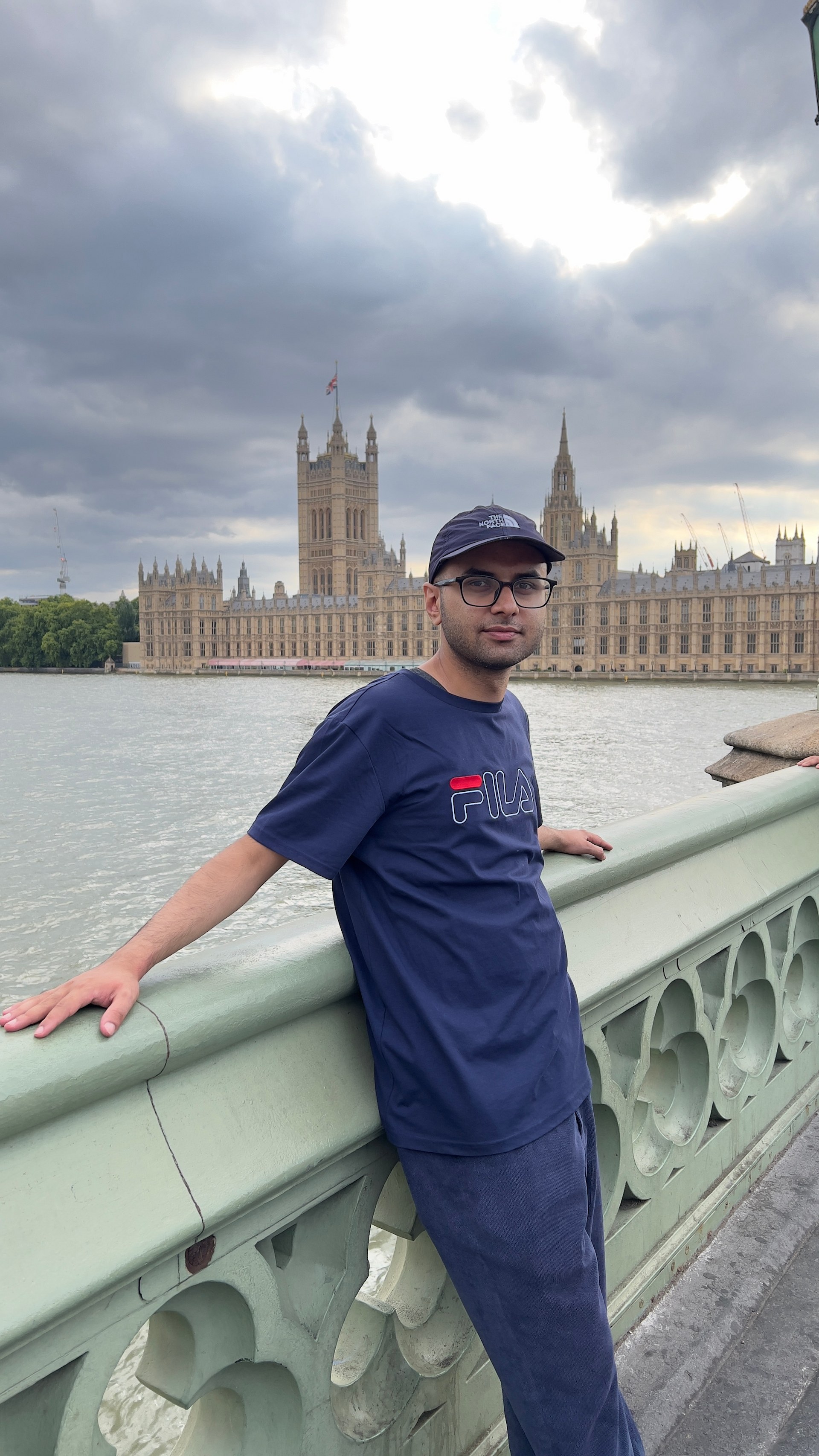
"The Real London Experience was one of my life’s most memorable journeys. Hands-on sessions at London Metropolitan University, exploring iconic landmarks, riding the Tube, eating fish and chips, and visiting Arsenal's stadium were incredible highlights. In Torquay, the ferry ride and English Channel views were unforgettable. Above all, the laughter and shared moments made this a once-in-a-lifetime adventure. "
Nischal Paudel MBA with Specialisation in Advertisement and Marketing

"Being selected for the Real London Experience 2026 was a true honour. Experiencing international education at London Metropolitan University and seeing iconic sites like Tower Bridge and Buckingham Palace in person was deeply inspiring. London’s vibrant culture and energy exceeded all my expectations. I returned with renewed motivation and broader horizons, and I encourage every student to aim for this life-changing opportunity. "
Pranav Sharma BSc (Hons) Computing with Artificial Intelligence